A Celebraton of Culture and Tradition
The Sinhala and Hindu New Year, known as "Aluth Avurudu" in Sinhala and "Puthandu" in Tamil, is one of the most significant and widely celebrated festivals in Sri Lanka. This vibrant occasion marks the astrological transition of the sun from the House of Pisces to the House of Aries, symbolizing a fresh start for the Sinhala and Tamil communities across the island.
When is it Celebrated?
Sinhala and Hindu New Year usually falls on April 13th or 14th each year. Unlike the Western New Year, which begins at midnight, this festival follows auspicious times calculated by astrologers. The transition from the old year to the new year is unique as there is a period of nonagathaya (neutral time) in between, during which people refrain from work and engage in religious activities.
Customs and Traditions
The Sinhala and Hindu New Year is deeply rooted in age-old traditions that bring families and communities together. Some key customs include:
1. Cleaning and Decorating Homes
In preparation for the New Year, families thoroughly clean their homes and decorate them with fresh flowers and vibrant designs called "kolam" in Tamil homes.
2. Lighting the Hearth and Preparing Traditional Sweets
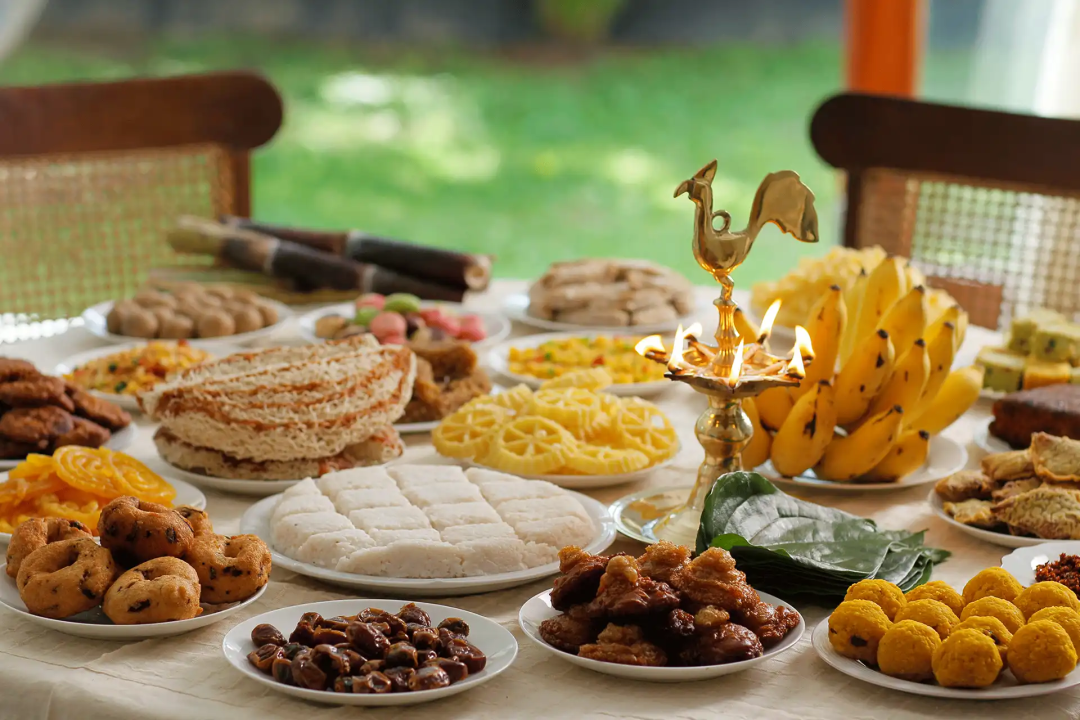
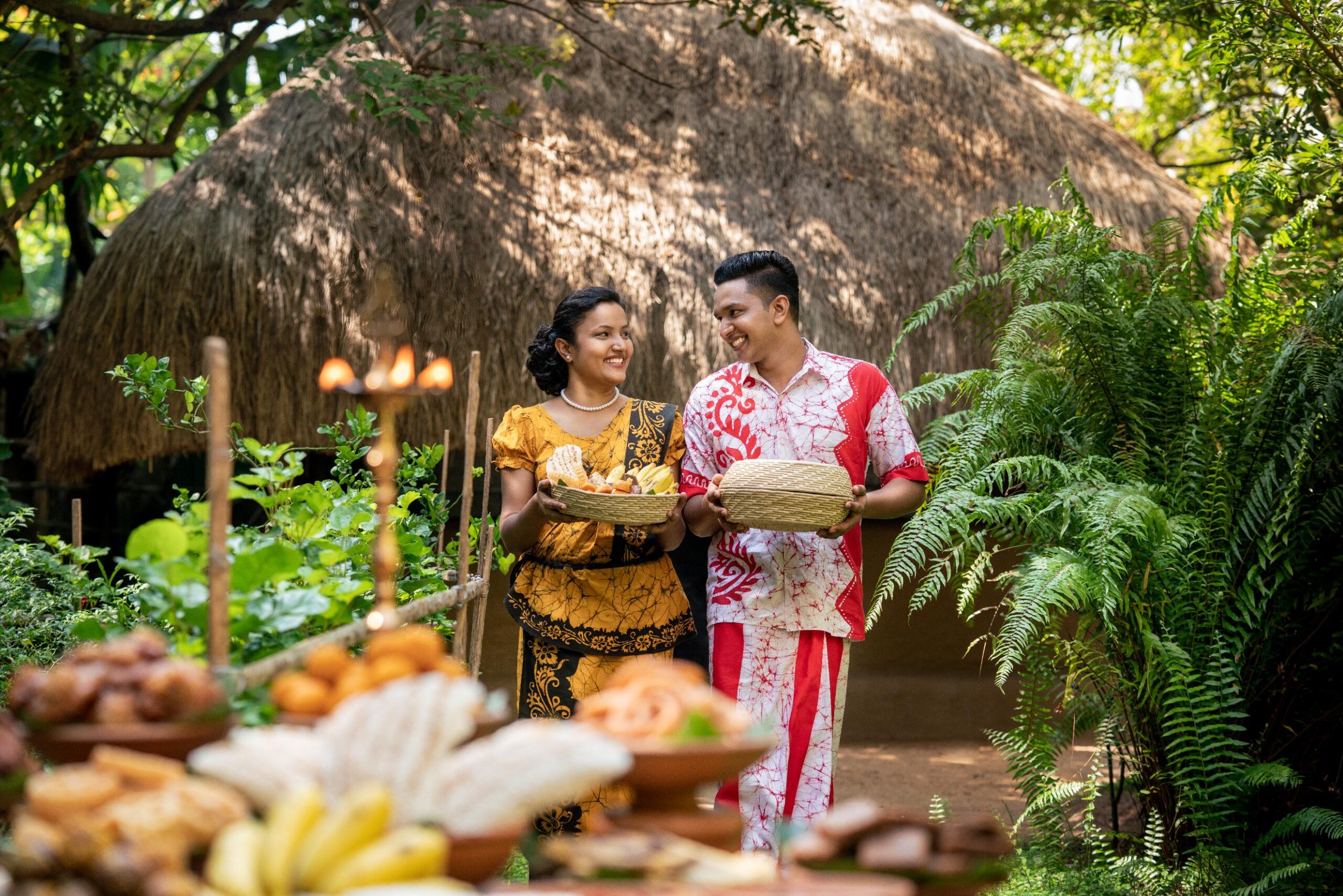
One of the most anticipated rituals is the lighting of the hearth at the auspicious time. Traditional sweets such as "kavum" (oil cakes), "kokis" (crispy deep-fried snacks), "aluwa," and "mung kewum" are prepared and shared with family and friends.
3. New Year Games and Activities
Communities come alive with fun-filled games such as "pancha keliya," pillow fights, coconut scraping competitions, and traditional drumming performances. Many villages organize Avurudu Kumari (New Year beauty pageants) to celebrate the occasion.
4. Anointing and First Work of the Year
Special ceremonies are held for anointing oil on elders and family members with herbal oils, following auspicious directions. The first work of the year, whether lighting a lamp or engaging in farming activities, is also done at a designated time to bring prosperity.
5. Exchanging Gifts and Visiting Relatives
It is a time for families to reunite, exchange gifts, and strengthen bonds with relatives and neighbors. Youngsters pay respect to elders and receive blessings for a prosperous year ahead.
The Spirit of Unity
Sinhala and Hindu New Year is more than just a festival; it is a celebration of harmony and togetherness. The event unites people from different backgrounds and fosters a sense of national unity, making it a cherished time for all Sri Lankans.
Conclusion
From the mouth-watering delicacies to the joyous laughter of Avurudu games, the Sinhala and Hindu New Year is a festival that reflects the cultural richness of Sri Lanka. It is a time for new beginnings, gratitude, and strengthening bonds with loved ones. Whether you are a visitor or a local, experiencing this festive season is truly a heartwarming and unforgettable experience!